Site assessment
Start with your site and growing goals. We consider regional and soil conditions together.
OKUR AGRO / SALEP & SAFFRON
Over six years of cultivation and R&D experience in central Siirt. Planting material, grower support and harvest purchasing, brought together at OKUR AGRO.
EXPERIENCE FROM THE FIELD
Our salep work began in central Siirt. Trials growing different salep species in different soil types have built our practical experience. Today, we share that experience with growers through OKUR AGRO.
This experience comes from cultivation work that predates the establishment of the OKUR AGRO brand in 2026.
SUPPORT FOR GROWERS
Start with your site and growing goals. We consider regional and soil conditions together.
Get support with soil preparation and organising the growing area before planting.
Discuss species and planting material suited to your growing conditions.
We guide you through cultivation-related applications and documents. Official authorisations are issued by the relevant authorities.
We provide growing guidance and support through planting, care and harvest.
We purchase fresh and dried tubers from growers during the harvest season.
Grower support is free for customers who buy tubers from us. Training and support are also available for other growers for a fee.
On-site visits in Southeastern Anatolia are free. In other regions, support is provided online. Discuss the scope of any paid services before the consultation.
OUR FOCUS SPECIES
These four species are our main focus. You can also enquire about sourcing other species.
Serapias vomeracea
Ophrys apifera
Anacamptis pyramidalis
Anacamptis coriophora
Synonym: Orchis coriophoraThe Turkish names are local names used by our business; scientific names identify the species.
SEASONAL PRODUCTS
We offer our own production and can also source from other companies when stock is insufficient. Product origin and current supply arrangements can be clarified when you enquire.
Sold by kilogram
No minimum order requirement.
Shipping across Türkiye
Supply and shipping details are confirmed when you enquire.
Enquiries only at present
No pre-orders or payments are being taken.
PURCHASING FROM GROWERS
You do not need to have bought tubers from us. We offer all growers a purchase guarantee for fresh and dried salep tubers.
There is no minimum quality grade or quantity threshold for purchasing. Prices are determined at harvest based on product quality; no fixed advance price is announced.
Share the species, whether the tubers are fresh or dried, approximate kilograms and your province. Let’s confirm price and delivery details before shipment.
Discuss your harvest ↗Cultivation is active. We are awaiting the outcome of our salep cultivation permit process with the Agriculture and Forestry Directorate. The permit has not yet been issued; this page does not claim completed official approval or certification.
SALEP GROWING GUIDE
Species, climate and soil must be considered together. Use this introductory guide alongside an assessment of your own growing site.

Soil requirements vary by orchid species. Well-aerated soil with suitable organic matter and no standing water is generally preferred. Species differ in their pH preferences. Soil analysis and a small trial are more useful than relying on a single general pH value.
Source sections: Kaynak bölümü: Toprak ve iklim istekleri, s. 63-65.Tubers are dormant in summer. In mild coastal areas, growth may begin in late August or early September; at higher elevations or in colder regions it may start later. Planting before sprouting is recommended. Timing should be adapted to the species and local climate.
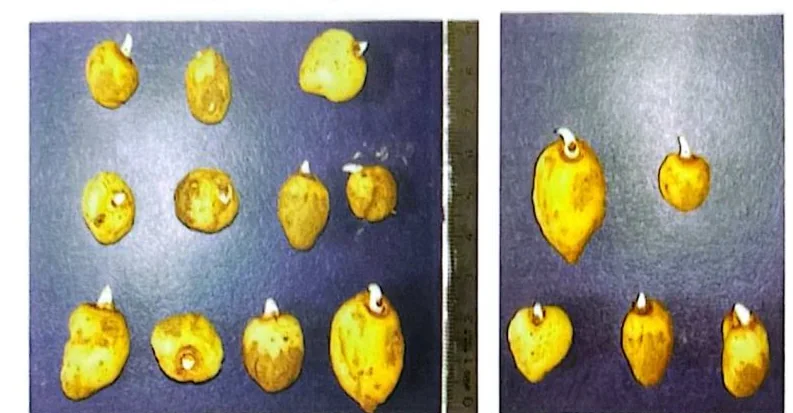
The source describes a depth of about 4–5 cm. Spacing depends on growth habit and management. Trials have used 15 × 15 cm or 15 × 5 cm spacing; these are not universal prescriptions for every species and region.
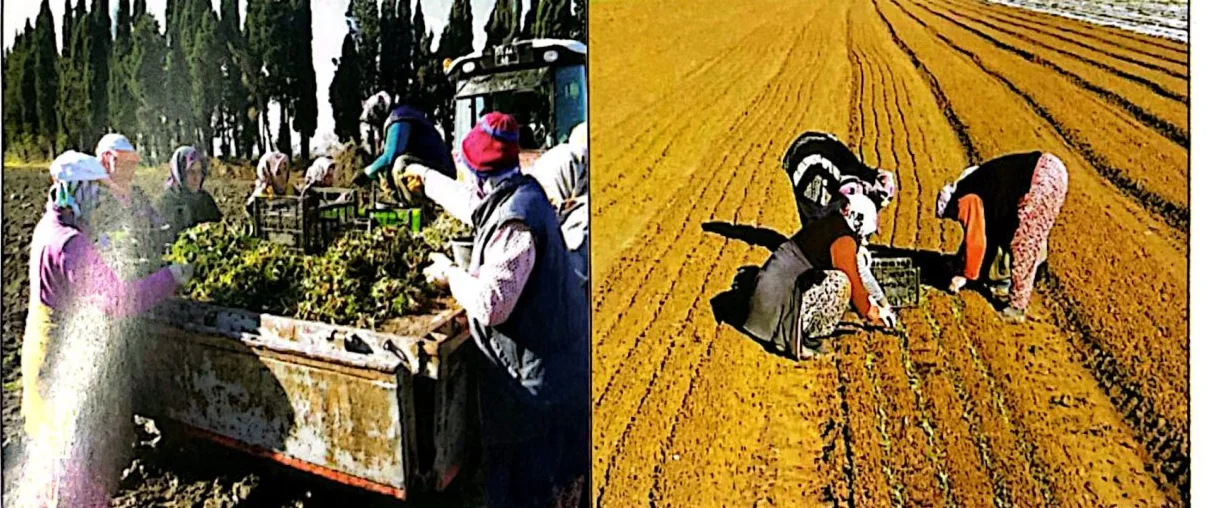
Compacted soil should be aerated before planting. Beds approximately 1–1.5 metres wide and 15 cm high can support drainage and access. A slight slope helps remove excess water. Well-rotted manure may be considered where soil analysis identifies a need for organic matter.
Source sections: Kaynak bölümü: Toprak hazırlığı, s. 65; gübreleme, s. 69-72.Base irrigation on soil moisture and rainfall, rather than a fixed schedule. During dry periods, apply measured amounts to moisten the root zone. Drip irrigation supports control. Avoid standing water and persistently wet soil, which can increase fungal disease risk.
Source sections: Kaynak bölümü: Sulama, s. 68-69.There is no single fertiliser programme suitable for all species and soils. The source reports that some chemical nitrogen applications did not benefit the orchids studied and could adversely affect yield or populations. Base fertilisation on soil analysis and trial new practices on a small area first.
Source sections: Kaynak bölümü: Gübreleme, s. 69-72.Prepare a clean seedbed before planting. Hand weeding and careful mechanical control are options for small areas. Tubers and roots are near the surface, so deep hoeing can damage them. Control weeds before they shade the crop or set seed.
Source sections: Kaynak bölümü: Yabancı ot kontrolü, s. 72-73.Timing depends on how the species produces new tubers. The source describes early flowering for species producing one new tuber and full flowering for some species producing several. Retain healthy planting material for sustainable cultivation.
Source sections: Kaynak bölümü: Hasat, s. 74-76.Store planting tubers unwashed, with a little soil remaining. Reduce surface moisture for a few days in a ventilated, partly shaded place, then keep cool, dry and out of direct sun. The source reports that refrigeration or very cold storage caused rot and loss of viability in the species studied.
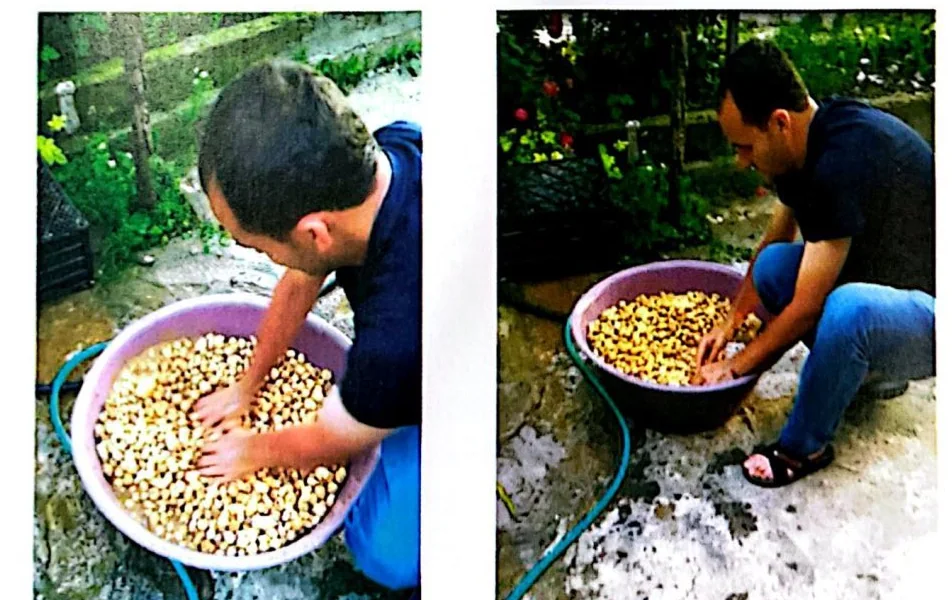
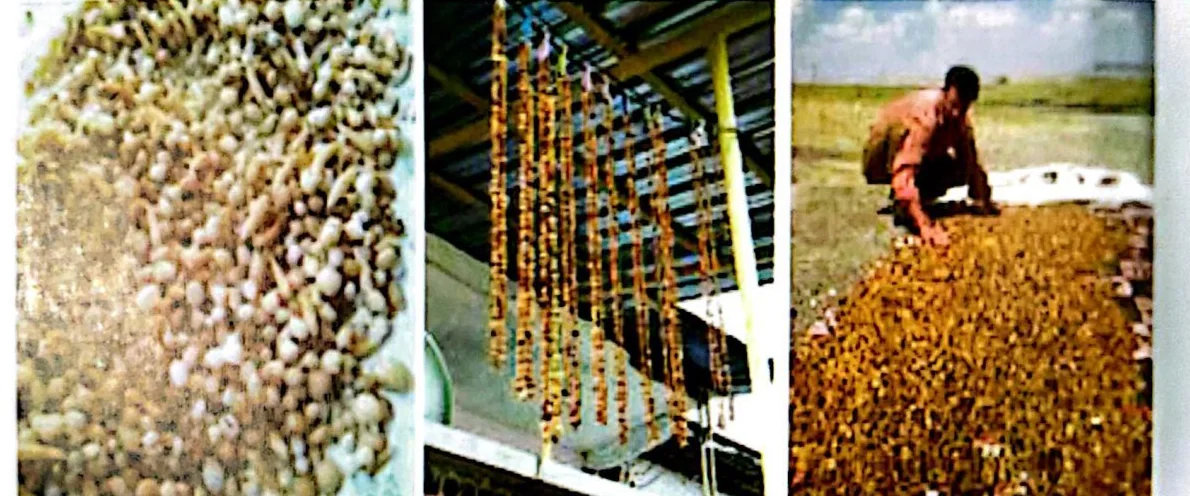
Source sections: Kaynak bölümü: Tohumluk yumrularda hasat sonrası depolama, s. 77.This treatment is not for planting tubers. Fresh tubers intended for flour are washed. The source describes boiling for an average of 6–10 minutes depending on dry matter content, followed by cooling and drying in a ventilated, partly shaded location.
SALEP & SAFFRON
Enquire about saffron production, product supply and cultivation support. Share your province, growing area and requirements to discuss current options.
Enquire about saffron ↗LET’S DISCUSS YOUR PLANS
Start with your province and approximate growing area or quantity in kilograms.